



Industrial Packaging Solutions - Built for Six Industry Verticals
Al Habbal manufactures industrial packaging solutions for six distinct production environments—flour mills, fertilizer manufacturers, agricultural producers, animal feed operations, cleaning product companies, and industrial construction suppliers. Every bag is built to the specification agreed upon at order. No GSM reduction. No material substitution. No compromise on structural integrity. ISO 9001 certified since 2015. Manufactured in Hama, Syria. Delivered to Iraq, Lebanon, and across the MENA region within 72 hours.
Why Packaging Matters for Your Industry
Industrial packaging is not a commodity purchase. For every industry Al Habbal serves, a packaging failure has a downstream cost that exceeds the value of the bag by a factor of ten or more. The specification that goes into the bag determines whether your operation runs or stops.
Food Industry
For flour mills and food processors, the bag is part of the safety chain.
Chemical & Fertilizer Industry
A valve bag that fails under pneumatic pressure creates an immediate production halt.
Agricultural Industry
The critical failure that matters most happens during aggressive transport or at the market. A split grain bag damages the entire loaded pallet. Al Habbal's agricultural solutions are
Industries We Serve - Six Production Environments, One Packaging Standard
Al Habbal's industrial packaging solutions span six distinct production environments across Iraq, Lebanon, Syria, and the wider MENA region. Each industry presents a different combination of load requirements, filling equipment constraints, storage conditions, and compliance demands. The packaging specification that protects flour is not the same specification that protects fertilizer. Our engineering team matches the bag to the application—not the other way around.
Flour Mills & Food Processors
Weight accuracy, hygiene, and structural integrity. PP woven bags (25-50 kg) and BOPP laminated for branded food applications.
Fertilizer & Chemical Manufacturers
High load, UV exposure, and pneumatic filling. UV-stabilized valve bags engineered for chemical powders and fertilizers.
Agricultural Producers
Harvest timing, breathability, mesh vs. woven. Mesh bags, grain bags, and industrial twines optimized for seasonal use.
Animal Feed & Fodder Industry
Ventilation, stacking integrity, and consistent weight parameters. Premium open-mouth PP woven bags (25-50kg).
Cleaning & Detergent Manufacturers
Consumer-facing high print quality and moisture resistance. BOPP laminated bags tailored for branded consumer goods.
Industrial & Construction Materials
Heavy-duty PP sacks (50-100 kg), valve integration for automated cement lines, and large format (90-150 cm) for bulk industrial loads.
Seeking specific dimensional adjustments, custom weight thresholds, or advanced technical consultations for your manufacturing infrastructure?
Trusted by Producers Across the Region Without Advertising
Flour Mills | Fertilizer Manufacturers | Agricultural Cooperatives | Animal Feed Producers | Industrial Manufacturers | Consumer Goods Companies
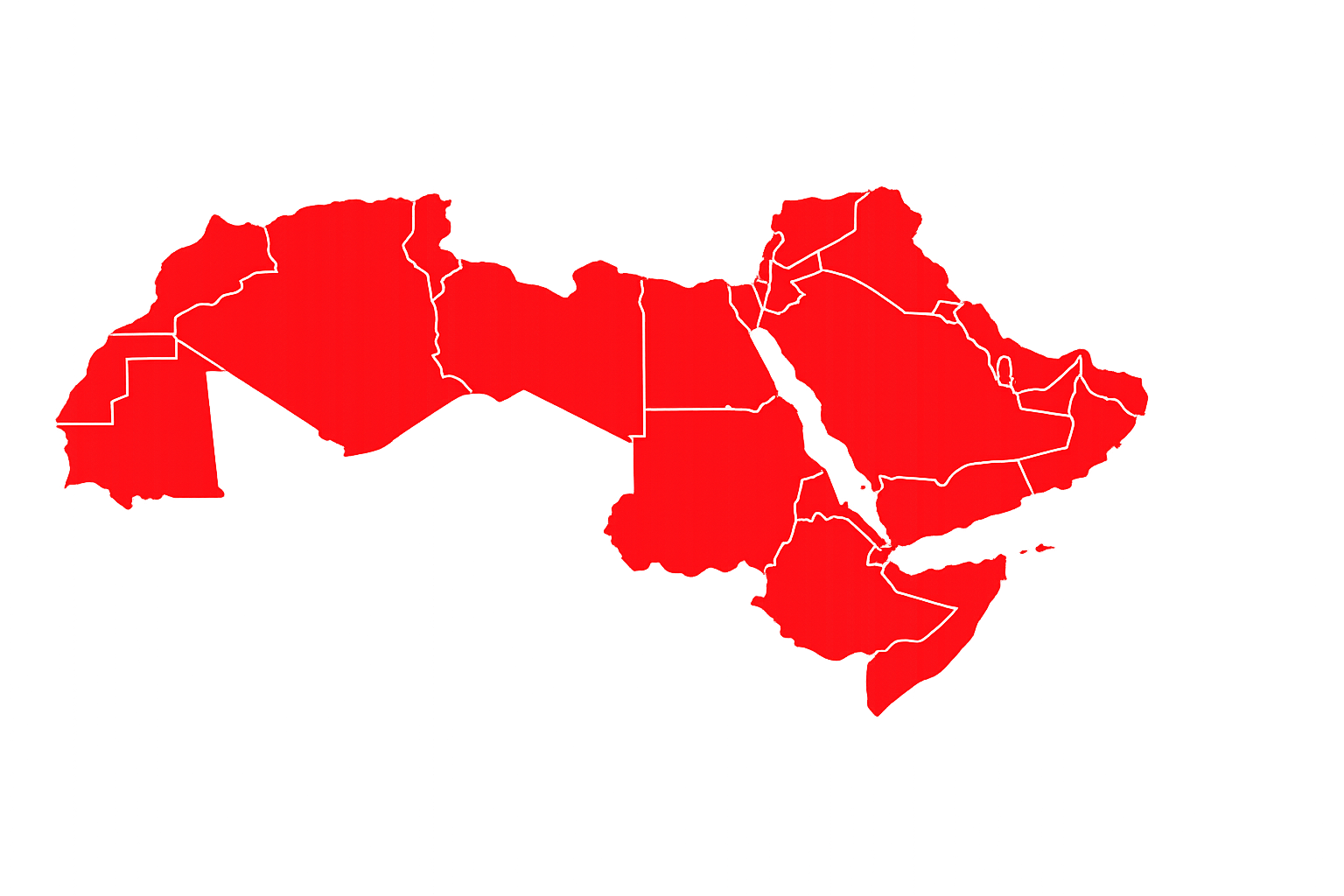
Syria
Iraq
Lebanon
Why Packaging Fails: Producers Cannot Afford to Ignore
Packaging failure across all industries traces back to three root causes: wrong specification, compromised materials, and inconsistent production. Controlled only when your packaging supplier treats the specification as a fixed commitment.
Wrong GSM for the Load
A bag rated at 70 gsm may hold 50 kg under standard conditions but fail under repeated stacking, freight vibration, or high ambient temperature. Al Habbal specifies GSM as part of the engineering brief for every order.
Inconsistent Stitch Integrity
A bag that holds on first delivery and fails on the fourth is a quality system problem. ISO 9001 certification at Al Habbal covers in-process inspection of closure integrity on every production run.
Wrong Closure Type
Open-mouth bags suit flour mills. Valve bags suit fertilizer pneumatic lines. Specifying the wrong closure type creates a production bottleneck or a handling failure. Al Habbal specifies closure type in the initial engineering brief.
One Quality Standard.
Every industry. Every Order.
Fixed Specifications
The GSM, weave density, and closure type agreed upon at order are what you receive on every delivery. No material substitution. No reduction. Your specification is a commitment, not a starting point. The specification agreed upon at order is the specification on the delivery note unchanged by price pressure or production convenience.

ISO 9001 Since 2015
Independently certified. Al Habbal applies the same quality system to every production run regardless of industry, order size, or delivery destination. In-process inspection covers GSM, weave density, lamination adhesion, and stitch integrity on every batch, with final verification before dispatch. Certification number and validity available for your procurement documentation.

72-Hour Delivery Iraq & Lebanon
From Hama, Syria to Baghdad in 72 hours. To Beirut in 48 hours. For seasonal demand peaks, regional proximity is not a convenience; it is a production-critical requirement. Fertilizer and chemical producers can place orders when demand is dynamically confirmed, avoiding complex and lengthy import timelines.

Not Sure Which Configuration Fits Your Operation?
Answer three quick questions. We’ll suggest a reliable starting configuration then our engineering team validates specifications before production.
Recommended Configuration
Preliminary DataSend Specifications for Review
Frequently Asked Questions
What type of packaging is used in the food industry?
Flour mills, sugar refineries, and food processors across Iraq and Lebanon use PP woven bags in 25 kg and 50 kg open-mouth configurations for dry food commodities. BOPP laminated bags are used where moisture resistance and branded print quality are required. Al Habbal manufactures both from its Hama, Syria, facility—ISO 9001-certified since 2015 with 72-hour delivery to Iraq and Lebanon.
What packaging is best for fertilizer?
Fertilizer manufacturers require UV-stabilized PP woven bags with valve configurations for pneumatic filling lines. The self-closing valve eliminates manual tying and maintains a dust-free filling environment. Al Habbal supplies fertilizer packaging bags to producers across Iraq, Lebanon, and Syria, delivered from Hama within 72 hours of dispatch.
What are industrial packaging bags made of?
Al Habbal industrial packaging bags are manufactured from woven polypropylene (PP) fabric, a high-tensile, lightweight, and chemically resistant material. BOPP laminated bags add a biaxially oriented polypropylene film for moisture resistance and premium print quality. All materials are sourced to fixed specifications and verified before production begins.
How do I choose the right packaging for my product?
The correct specification depends on your product weight, moisture sensitivity, filling equipment type, storage conditions, and print requirements. Al Habbal’s engineering team specifies packaging based on declared load data, not guesswork. Use the bag configurator at /resources/bag-configurator/ or contact us directly with your application brief.
What is the minimum order for industrial PP bags?
Minimum order quantities vary by product type, specification, and print requirements. Al Habbal accommodates both large-volume standing orders and smaller industrial quantities depending on production schedule availability. Contact our team directly; every request is reviewed personally. No automated pricing.
Can Al Habbal deliver industrial packaging to Iraq?
Yes. Iraq is Al Habbal’s primary export market. We deliver industrial packaging bags to flour mills, fertilizer manufacturers, agricultural cooperatives, and industrial operations across Baghdad, Basra, Erbil, and the wider Iraqi market. From our Hama, Syria, facility, delivery to Baghdad typically takes 72 hours from dispatch.
Discuss Your Industry
Packaging Requirements
Every request reviewed personally. Tell us your industry, product type, required weight range, quantity and delivery destination.
Start a Technical Discussion ➔